Racing Towards a Greener Future
Formula 1, a spectacle of speed and technological prowess, is facing increasing pressure to address its environmental impact. As global awareness of climate change grows, the need for sustainable practices within the sport becomes more urgent.
The Environmental Impact of Traditional F1
The environmental impact of traditional F1 is significant. The combustion of fossil fuels in high-performance engines generates substantial carbon emissions. Furthermore, the global nature of the sport necessitates extensive travel, including transporting cars, equipment, and personnel to races around the world, contributing to a significant carbon footprint. Waste generation, including tyre waste, debris, and packaging, also poses environmental challenges.

Sustainable Fuel Solutions
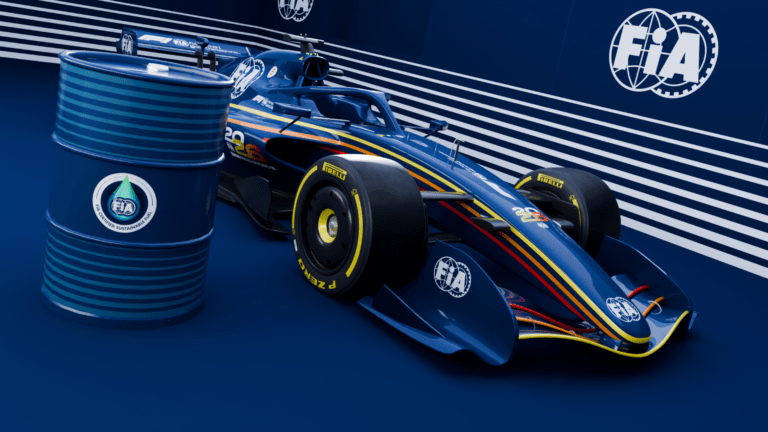
The development of sustainable fuels is crucial for reducing F1’s carbon emissions. Biofuels derived from renewable sources, such as plant-based materials or algae, offer a promising alternative to traditional fossil fuels. Synthetic fuels, produced from renewable energy sources, are another active research and development area. Hydrogen fuel cell technology also presents a potential pathway towards a zero-emissions future for F1. However, these alternative fuels’ development and widespread adoption face significant challenges, including cost, infrastructure, and performance.
The Rise of Hybrid Powertrains
Introducing hybrid power units (HPUs) has been a significant step towards improving F1’s sustainability. These advanced powertrains, equipped with energy recovery systems (ERS), capture and store energy during braking and deploy it to assist the internal combustion engine, improving fuel efficiency and reducing emissions. Continuous advancements in hybrid powertrain technology, such as the development of more efficient energy recovery systems and the integration of advanced battery technologies, will play a crucial role in further enhancing the sustainability of F1.
Reducing the Carbon Footprint
F1 teams and the FIA are working to minimize environmental impact through various initiatives. These include optimizing logistics, reducing travel distances, and implementing waste reduction and recycling programs. Efforts are also being made to offset carbon emissions through carbon offsetting programs and investments in renewable energy projects.
F1 as a Platform for Sustainability
Beyond reducing its environmental impact, F1 has the potential to serve as a powerful platform for promoting sustainable technologies and inspiring environmental awareness. As a global spectacle, F1 can showcase cutting-edge technologies and innovations in sustainability, inspiring young engineers and scientists to work on solutions to environmental challenges. By highlighting the importance of sustainability and demonstrating the feasibility of high-performance, low-emission technologies, F1 can significantly drive the transition to a more sustainable future.
The Future of F1 and Sustainability
The future of F1 lies in achieving a balance between performance and sustainability. The challenges are significant, but the opportunities are equally great. By embracing innovation, embracing sustainability, and leveraging its global platform, F1 can continue to thrill and entertain while contributing to a more sustainable future for motorsport and the planet.
For More exclusive content visit:

(press on photo for link)

