Mental Fortitude and Physical Demands in F1
Formula 1 is a demanding sport that pushes drivers and teams to their physical and mental limits. This blog will explore the human factor in F1, examining the physical and mental demands placed on drivers and the crucial role of support teams in optimizing performance.
The Physical Demands
F1 drivers experience extreme G-forces during cornering, putting immense strain on their bodies. Drivers must maintain peak physical condition with rigorous training regimes, including cardiovascular exercises, strength training, and specialized training to withstand G-forces. Drivers also operate in hot cockpits, facing significant challenges with heat and dehydration. The drivers use a drinking tube in their helmet to hydrate themselves during the race. The tube is connected to a water bag in the car, and the driver can activate a pump to get the liquid.
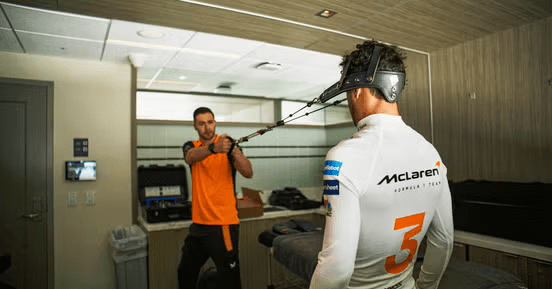
Photo By: Getty Images
Mental Fortitude
Maintaining intense focus and concentration for long periods under immense pressure is crucial for F1 drivers. They must make split-second decisions in high-pressure situations, often with limited information. Coping with the stress of competition, dealing with setbacks, and maintaining a positive mindset are essential for success.

Photo by: Getty Images
The Role of Support Teams
Medical professionals play a vital role in monitoring driver health, managing injuries, and ensuring optimal physical performance. Nutritionists work closely with drivers to optimize their diets, ensuring they receive the necessary nutrients for peak performance and recovery. Sports psychologists provide mental training techniques, such as visualization, mindfulness, and stress management strategies, to enhance driver performance and mental resilience.
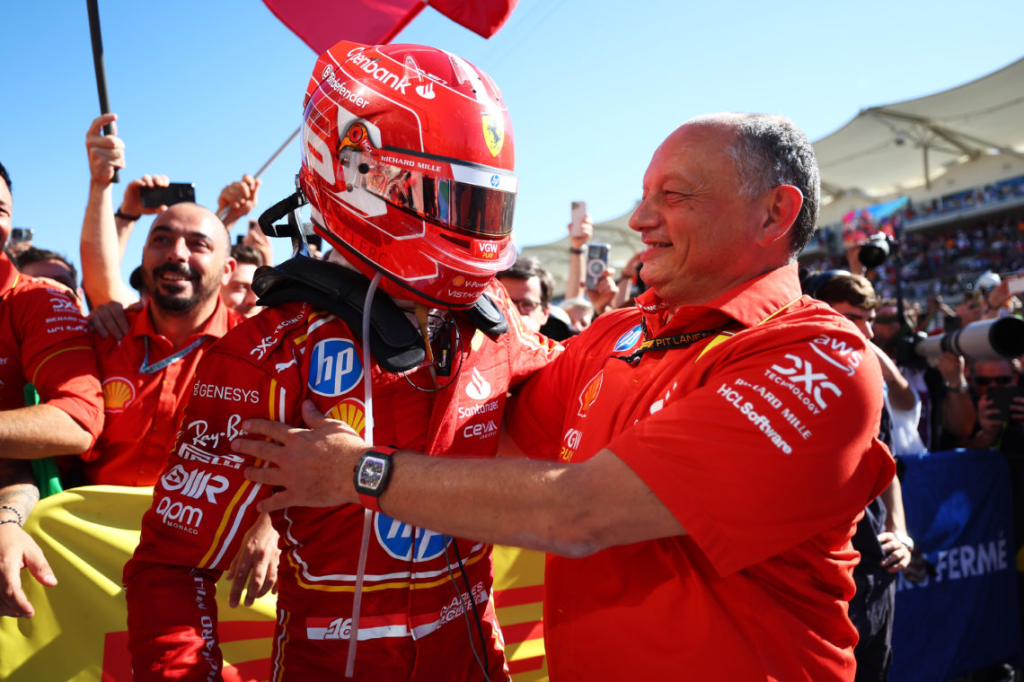
Photo By: Bryn Lennon (Getty Images)
Sleep and Recovery
The demanding F1 schedule, with frequent travel and late nights, can lead to sleep deprivation. Adequate sleep is crucial for physical and mental recovery, optimizing cognitive function, and improving reaction time. Teams employ various strategies to optimize driver sleep, including sleep specialists, customized sleep routines, and creating optimal sleep environments.
The Importance of Teamwork
Success in F1 is a team effort. Drivers rely heavily on their support teams to optimize their performance and achieve their goals. Strong communication and trust between drivers and their support teams are essential for success.
Conclusion
The human factor plays a critical role in F1 success. By optimizing physical fitness, mental fortitude, and recovery, drivers and teams can push the boundaries of human performance and achieve extraordinary results. As F1 continues to evolve, the importance of understanding and addressing the human element will only increase.
 f1 frontline