From Early Days to Modern Hybrids
Formula 1 has always been at the forefront of automotive technology, a crucible where innovation is relentlessly pursued in the quest for speed and efficiency. From the rudimentary machines of the early days to the sophisticated hybrid power units of today, the evolution of F1 technology is a testament to human ingenuity. This blog will trace this remarkable journey, exploring key technological breakthroughs and their profound impact on the sport.
The Early Days: Pioneers and Rudimentary Technology
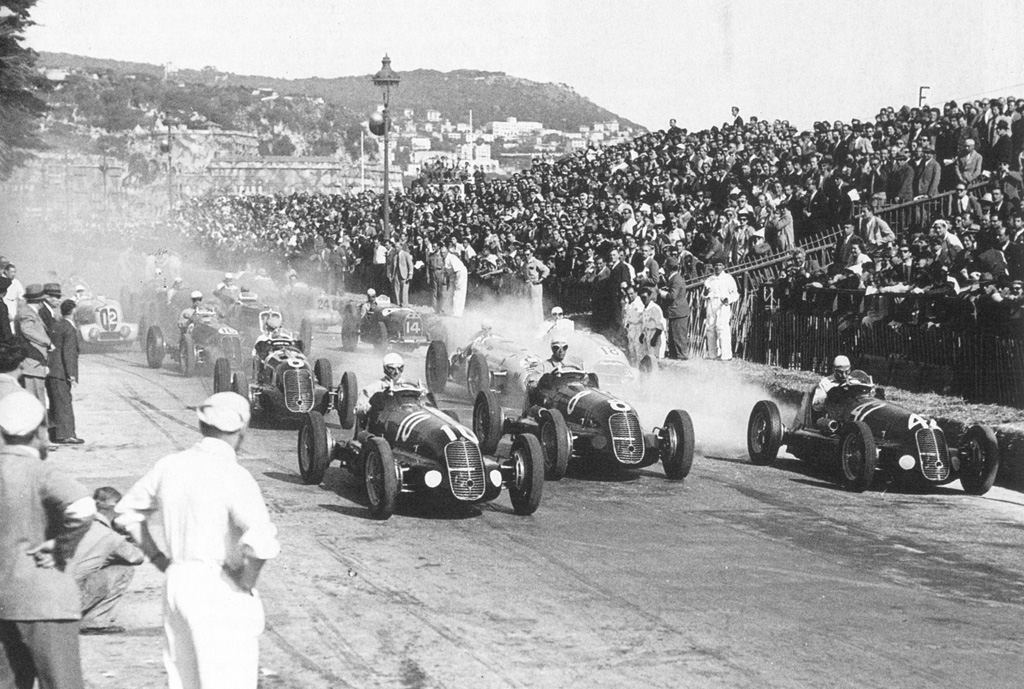
The early days of Grand Prix racing saw relatively simple machines powered by large-displacement, naturally aspirated engines. These early pioneers faced numerous challenges, including reliability issues, limited performance, and safety concerns. Engine design was rudimentary, and advancements were gradual. However, even in these early years, innovations in suspension systems and chassis design began to emerge, laying the foundation for future developments.
The Mid-20th Century: The Rise of Turbocharging and Engine Developments
The mid-20th century witnessed a significant leap forward with the introduction of turbocharged engines. These forced-induction engines delivered a significant boost in power, revolutionizing the sport. This era also saw the development of more sophisticated engine designs, such as V6, V8, and V10 configurations, each pushing the boundaries of performance. Advancements in materials science, such as the use of lightweight alloys and advanced composites, further enhanced engine performance and improved overall car design. The emergence of ground effect aerodynamics in the 1970s significantly impacted handling and speed, ushering in an era of aerodynamic innovation.

The 21st Century: Electronics, Hybrids, and the Pursuit of Efficiency
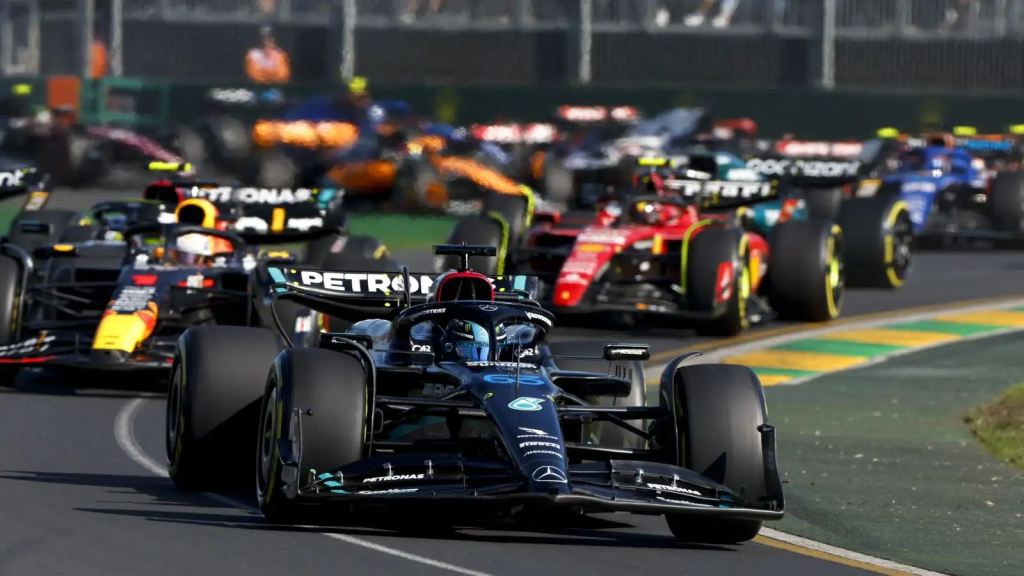
The 21st century has witnessed a dramatic shift towards electronics and hybrid technology. The introduction of electronic control systems such as traction control and electronic differentials has significantly enhanced car performance and driver safety. The most significant development, however, has been the introduction of hybrid power units (KERS and ERS). These systems recover energy during braking and deploy it to provide an instantaneous power boost, improving both performance and fuel efficiency.
Concurrently, aerodynamics has continued to play a crucial role, with teams developing increasingly sophisticated aerodynamic solutions, such as complex bargeboards and intricate underbody designs. The role of simulation and data analysis has also become paramount, with teams utilizing advanced computer modelling and sophisticated data acquisition systems to optimize every aspect of car design and performance.
The Future of F1 Technology
The future of F1 technology promises to be even more exciting. The exploration of sustainable fuels and alternative power sources is gaining momentum, with the aim of reducing the environmental impact of the sport. The integration of artificial intelligence and machine learning is expected to further enhance car performance, optimize race strategies, and revolutionize the way teams operate.
Conclusion
The evolution of F1 technology is a remarkable journey of continuous innovation and human ingenuity. From the rudimentary machines of the early days to the sophisticated hybrid power units of today, the sport has consistently pushed the boundaries of engineering and technology. This relentless pursuit of performance has not only resulted in faster and more efficient race cars but has also driven advancements in various fields, from materials science to electronics. As F1 continues to evolve, it will undoubtedly remain at the forefront of automotive technology, inspiring future generations of engineers and captivating fans around the world.
For More exclusive content visit:

(press on photo for link)
 f1 frontline